Best Practices for Making Sure Safe and Thorough Lead Infraction Reduction
Dealing with lead offense reduction needs a multi-faceted approach to ensure both security and conformity. Initial evaluations making use of advanced detection techniques such as XRF analyzers established the stage for an accurate understanding of contamination degrees. Including proper containment methods, consisting of impermeable barriers and HEPA filtering, combined with using individual protective equipment (PPE) for workers, develops the foundation of a safe and secure operation. Thorough cleanup procedures, including HEPA vacuuming and wet-wiping, are essential. It's the final clearance process, involving thorough evaluations and laboratory testing, that really confirms a lead-free environment, guaranteeing long-term safety. How do these practices adjoin to assure detailed lead reduction?
Initial Analysis
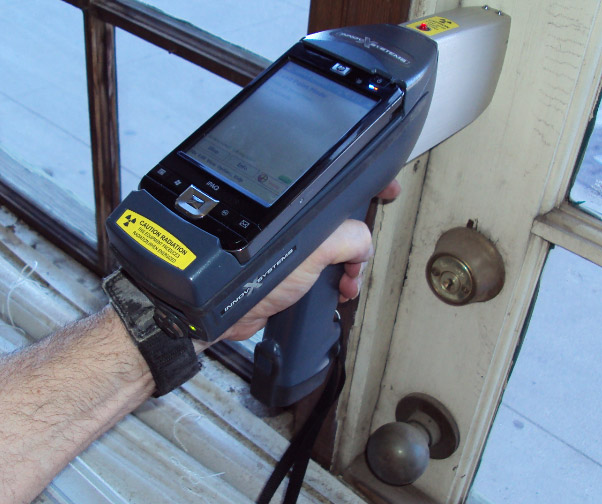
Carrying out an initial analysis is an essential very first step in lead offense abatement. This stage includes a detailed analysis of the residential property to identify the visibility, degree, and details places of lead-based hazards. Certified professionals, such as licensed lead inspectors or run the risk of assessors, need to carry out a thorough site examination, utilizing devices like X-ray fluorescence (XRF) analyzers to accurately find and measure lead concentrations in paint, dirt, soil, and water.
The evaluation has to also consist of a testimonial of the building's background, previous records, and any problems or health problems reported by owners - Lead Removal Contractors. Documenting the findings thoroughly is essential, as these records develop the basis for creating an effective abatement method. A thorough evaluation likewise entails tasting and laboratory analysis, which are important to validate the presence of lead and guide subsequent actions
Moreover, it is imperative to communicate the results transparently to all stakeholders, including homeowner, lessees, and regulatory authorities. By ensuring that the initial assessment is carried out with precision and rigor, experts can lay a solid foundation for a targeted and effective lead abatement process, ultimately protecting public health and guaranteeing compliance with regulatory standards.
Proper Containment
Correct control is critical to stop the spread of lead impurities throughout reduction activities. Efficiently managing containment minimizes the threat of lead dirt and debris migrating to non-work areas, therefore guarding both the setting and individuals outside the immediate job area. To accomplish proper containment, an impermeable obstacle of plastic sheet must be developed around the workspace, ensuring all joints and edges are securely secured. Lead Removal Contractors. This barrier should expand from flooring to ceiling and be taped down to protect against any kind of leaks.

Regular assessments of the containment location are necessary to inspect for breaches or weaknesses in the obstacle. Any type of recognized issues need to be quickly resolved to maintain the stability of the control. By adhering to these techniques, abatement jobs can properly control lead contamination and minimize involved health and wellness risks.
Worker Security
Ensuring worker security is extremely important during discover this info here lead abatement tasks to avoid work-related direct exposure to hazardous lead bits. Crucial measures include the usage of individual safety equipment (PPE) such as respirators, gloves, and full-body fits particularly made to block lead dust and fumes. Workers must undertake thorough training on the correct usage and maintenance of PPE, including in shape screening for respirators to make certain optimum efficiency.
Engineering controls, such as local exhaust ventilation systems, are essential in lessening air-borne lead focus in the workplace. Management controls need to additionally be applied, consisting of restricting the period of direct exposure and revolving employees to lower specific direct exposure times. Normal clinical monitoring and organic tracking are important for early detection of lead absorption, enabling prompt treatment and therapy.
Moreover, developing a decontamination procedure is important. Workers must follow rigorous purification treatments before breaks and at the end of their shift to prevent lead dirt from being lugged outside the workspace. This includes detailed hand and face cleaning with lead-specific cleansing agents and changing out of infected garments.
Precise Cleanup
Keeping a secure work environment expands beyond worker defense and includes meticulous cleaning to make sure lead particles are thoroughly gotten rid of from the site. The procedure of careful cleanup is essential in stopping the recontamination of the eased off location and securing both current and future owners.
To accomplish a comprehensive clean-up, all work locations must be methodically decontaminated. This includes using specialized HEPA (High-Efficiency Particulate Air) hoover and wet-wiping techniques to record and get rid of fine lead dust that might have cleared up on surfaces. It is critical to clean up all straight surfaces, including floorings, window sills, and counter tops, along with vertical surface areas that might have trapped lead bits.
Employees should use appropriate personal safety tools (PPE) during clean-up to stay clear of exposure to residual lead dust. Made use of cleansing materials such as wipes, sponges, and mop heads must be disposed of based on contaminated materials disposal laws.

Last Clearance
Last clearance is the vital ending stage of lead reduction that figures out whether the website is risk-free for reoccupation. This important action includes extensive evaluation and testing to verify that all lead hazards have been effectively removed.

Final clearance screening not only protects future owners however also ensures conformity with regional, state, and federal laws. Additionally, it serves as a recorded validation of the reduction specialist's adherence to industry ideal methods. Making sure a comprehensive and effective final clearance is essential in securing public health and cultivating count on in the this website reduction process.
Final Thought
Ensuring risk-free and comprehensive lead offense abatement requires a complex method incorporating initial analyses with advanced detection approaches, effective containment approaches, stringent worker defense protocols, and precise cleaning procedures. The final clearance stage, including detailed evaluations and research laboratory testing, is essential to verify conformity with EPA standards. Adherence to these best methods assures a secure environment for residents, alleviates wellness risks, and supports regulative needs, therefore promoting public health and safety in lead-affected areas.